
10 hr
Materuni Waterfall, Coffee Farm & Hot Springs Adventure from Arusha
Discover cascading falls, traditional coffee culture, and geothermal springs on this full-day nature escape
Reserve
Hand-picked by our editors — only the best 5 experiences from 12 reviewed.
Verified partners for every tour, free cancellation where available, and instant confirmation on every booking.
10 hr
Discover cascading falls, traditional coffee culture, and geothermal springs on this full-day nature escape
Reserve
13 hr
Discover cascading falls, geothermal pools, and traditional coffee culture in the Kilimanjaro foothills
Reserve
11 hr
Customizable day trip combining cascading falls, traditional coffee making, and volcanic spring swimming
ReservePrices from verified partners. Availability updates in real time at checkout. Free cancellation policies apply where shown.
The landmarks, rooms, and views travelers on this tour remember — all visible on a single visit.
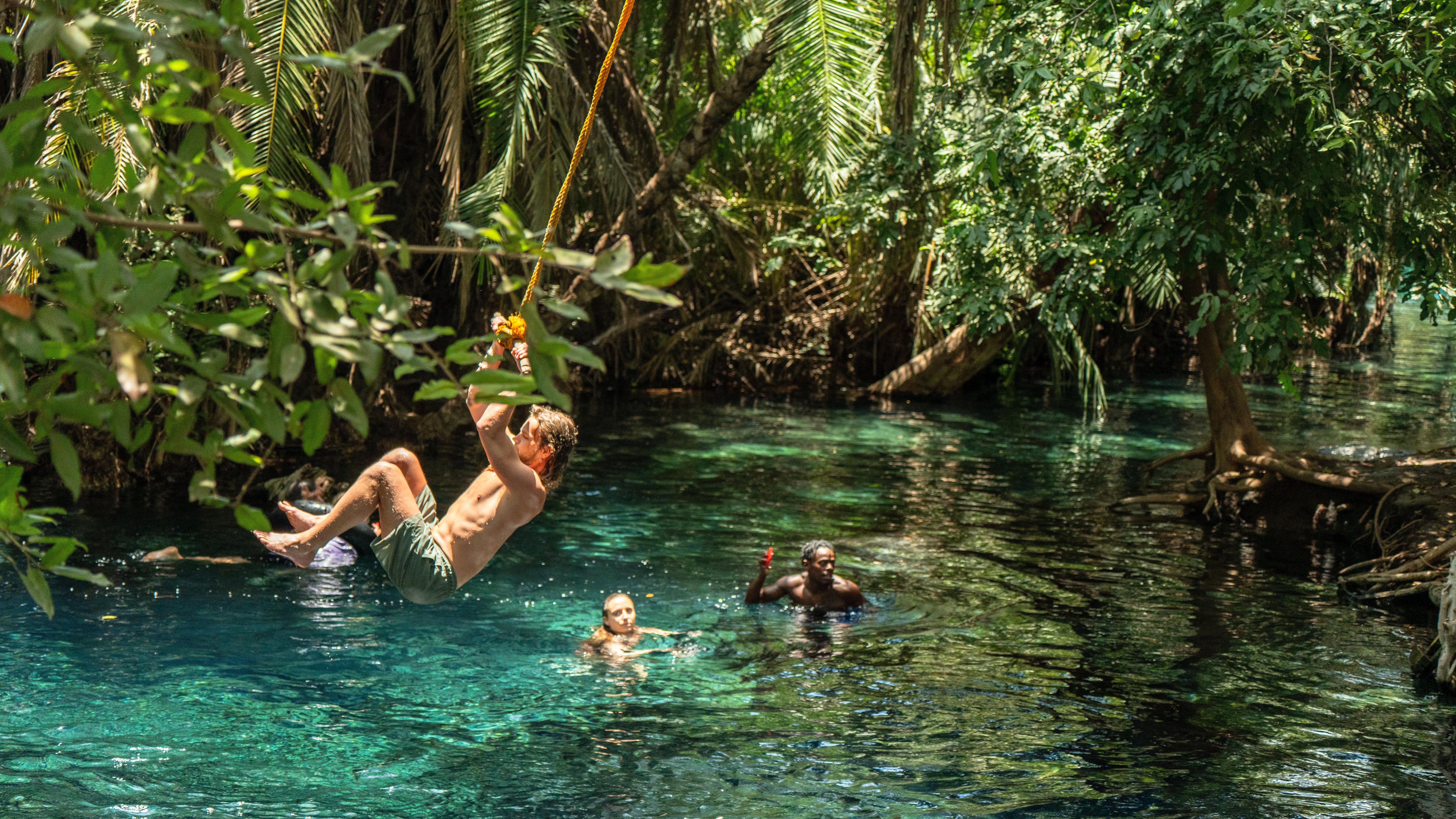
This crystal-clear pool reaches depths of several meters in the center. It is fed by warm underground springs that maintain a consistent, comfortable temperature.
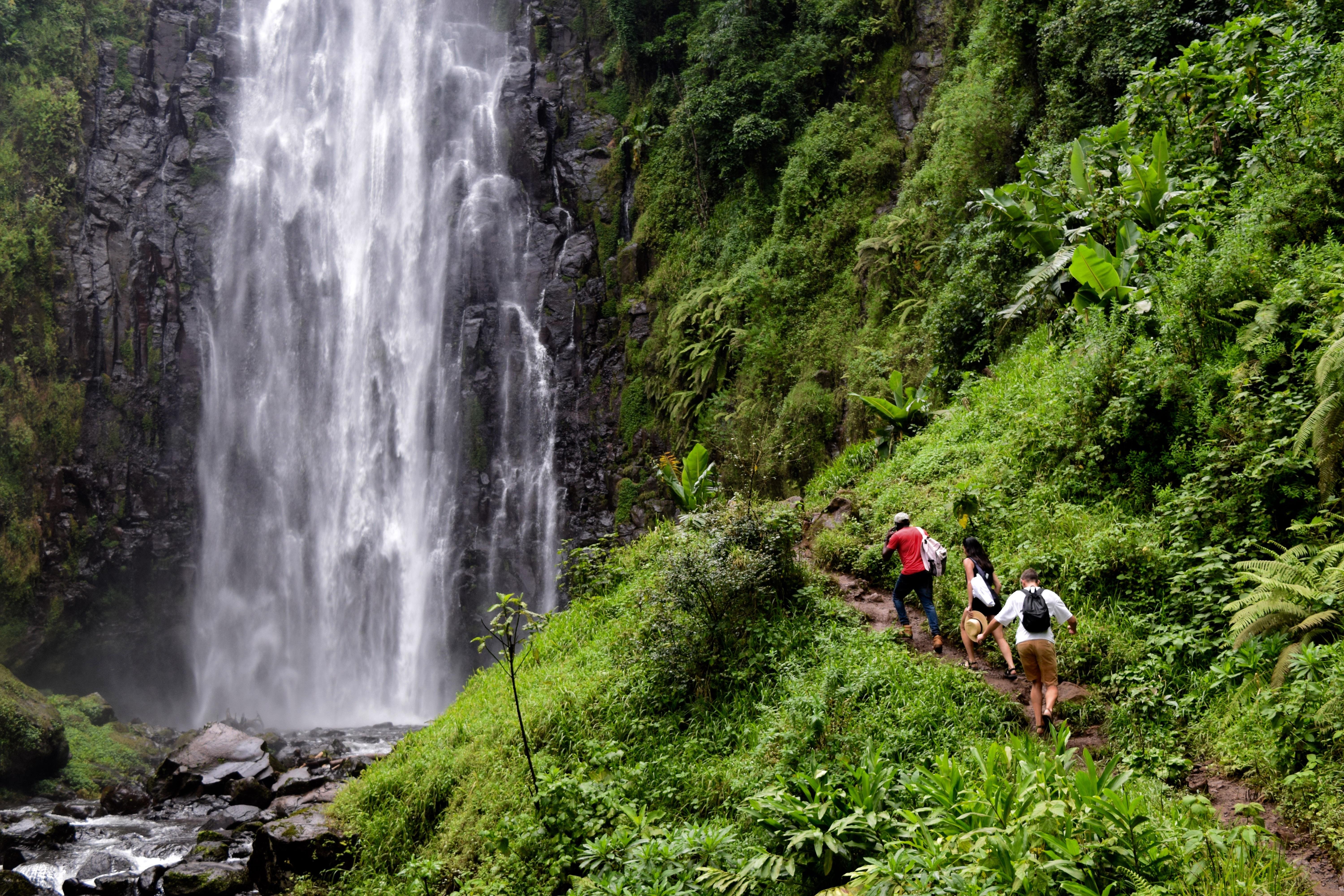
These experiences complement each other; most visitors who do both find that Materuni provides a more vigorous trekking journey, while chemka hot springs from arusha tours offer a superior setting for recovery and leisure.
| Feature | Top pick Chemka Hot Springs | Materuni Waterfalls |
|---|---|---|
Primary Activity |
Swimming and lounging | Hiking and sightseeing |
Physical Exertion Level |
Minimal | Moderate to high |
Suitability for Relaxation |
High | Low |
Environment |
Tropical oasis and pool | Mountain forest and basin |
Recommended Group Type |
Families and leisure seekers | Adventure and culture enthusiasts |
Water Temperature |
Warm geothermal | Cold mountain runoff |
| See tickets → |
Verdict: Choose a chemka hot springs from arusha tour if your goal is low-impact rejuvenation, or prioritize the waterfall hike if you prefer active exploration of regional landscapes.
Choose your ticket, select your date, and reserve in under two minutes. Secure checkout handled by our verified partner.
Instant confirmation by email, with a mobile voucher you can save offline. No printing, no queuing at a collection desk.
Arrive at the entrance, show your voucher on your phone, and walk in. Most tickets include priority or skip-the-line access.
Practical details for your visit straight from our verified partners — hours, access, rules, and how to get there.
Various
Standard pickup point for chemka hot springs from arusha tours
Private transfer is the most reliable method from Arusha. Journey takes approximately 2 hours depending on road conditions.
Wear swimwear under comfortable, lightweight clothing for your chemka hot springs from arusha tour. Modest cover-ups are recommended when walking through Rundugai Village.
There are no secure lockers at the springs. Keep personal belongings to a minimum and ensure they remain supervised at all times.
Photography is permitted throughout the area. Use waterproof housing for cameras to capture clear images of the blue lagoon during your chemka hot springs from arusha visit.
The paths leading to the water are natural and unpaved, making them difficult for wheelchair users. Visitors should be prepared for uneven ground near the main pool.
Mobile signal can be weak in the remote Hai District. Ensure you have offline maps downloaded before departing for your chemka hot springs from arusha trip.
The area is suitable for families, though children should be supervised constantly near the water. Life jackets are not provided, so bring floatation devices if needed.
Local vendors sell snacks and drinks near the entrance. Bringing reusable water bottles is advised, but all trash must be carried out to protect the environment.
Pets are not permitted at the springs. Local wildlife and the sensitive ecosystem require a pet-free environment.
The water temperature is pleasant, fed by underground geothermal sources. The site is a popular destination among Arusha landmarks for a full-day excursion.
Various
Standard pickup point for chemka hot springs from arusha tours
Get directionsBest time to go, insider tips, nearby landmarks, and the cancellation fine print — flip through to skim what matters to you.
How crowds, weather, and events shift across the year.
June to August offers clear, dry weather. This is the optimal window for those seeking comfortable temperatures and high visibility for photography.
Small details that turn a good visit into a great one.
Reach the springs between 08:00 and 10:30 to enjoy the quietest conditions. Arriving early is essential for capturing photos without crowds.
Bring water shoes to navigate the rocky bottom safely. The edges can be slippery due to moss and constant water flow.
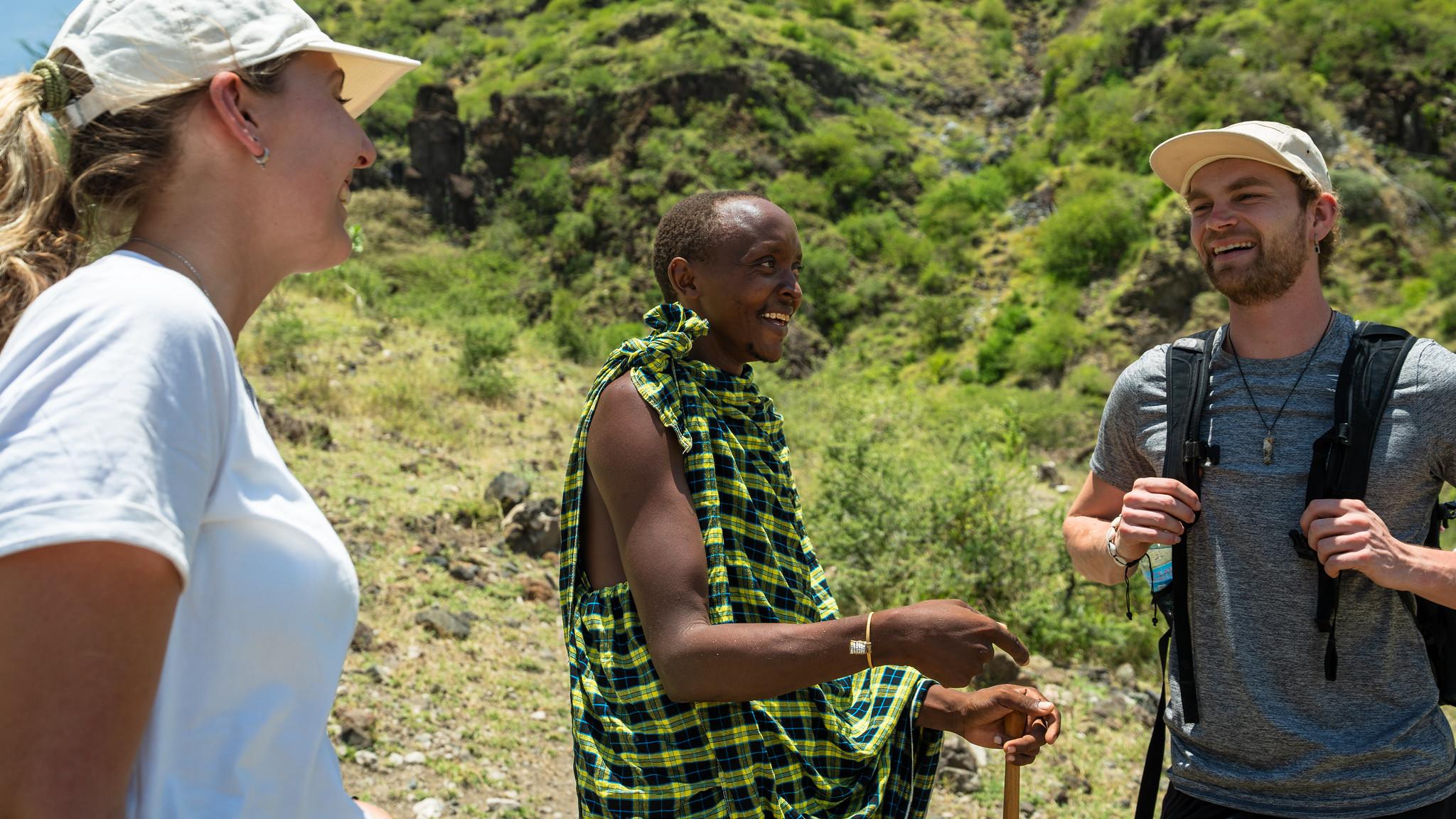
Dress modestly when passing through Rundugai Village to honor local customs. Always ask permission before taking photos of residents.
Ensure you carry the 10 USD per person fee in small denominations. Exact change is highly appreciated by the entry staff.
Use reef-safe sunscreen to avoid damaging the aquatic ecosystem. There is limited natural shade immediately next to the main pool.
Non-bookable sights within a short walk — free to visit, easy to pair.
Traditional community village near the springs
Scenic areas offering views of the mountain
Flexible, no hidden fees.
Full refunds are typically available for chemka hot springs from arusha tickets if canceled at least 24 hours in advance. The 10 USD conservation and entry fee is generally non-refundable once processed by local authorities.
Hand-picked options within walking distance — pick a district for vibe, or a specific hotel for convenience.
Convenient base for regional explorers
Common starting point for multi-day trips
The Kikuletwa Hot Springs — locally known as Chemka or Maji Moto — emerged from subterranean volcanic fissures that channel geothermally heated groundwater through limestone aquifers beneath the Hai District. The springs maintain a constant temperature near 25 degrees Celsius year-round, a thermal anomaly in a region where daytime highs regularly exceed 30 degrees. Acacia tortilis and fig trees form a canopy over the main pool, their roots stabilizing the banks while creating dappled shade patterns across water so clear that the sandy bottom remains visible at three-meter depths. The site gained protection status in 2009 when Rundugai Village elders negotiated a community-managed conservation zone with Kilimanjaro Region authorities. Revenue from the modest ten-dollar entrance fee funds groundwater monitoring, waste removal, and employment for twelve village residents who rotate as site custodians. The springs feed into the Kikuletwa River system, which drains eastward toward the Pangani Basin, supporting irrigation networks that sustain maize and coffee cultivation across three districts. Geologists trace the thermal source to the same mantle plume system that built Kilimanjaro thirty kilometers southwest. Fractures in the Precambrian basement rock allow water heated at depth to rise through permeable zones, dissolving calcium carbonate and creating the signature turquoise hue. The main pool spans roughly forty meters in diameter, with secondary seep pools forming along the western margin where fig roots create natural ledges. Local guides report that the springs' flow rate increases during the long rains from March through May, though water clarity remains consistent. Combined itineraries linking chemka hot springs from arusha with Materuni Waterfall and Chagga coffee estates have become the dominant access model since 2018. These packages depart Arusha between seven and eight in the morning, covering the seventy-kilometer route via the Moshi Road before branching north onto gravel tracks through sisal plantations. The pairing reflects practical logistics — both Materuni and Chemka lie within the same ninety-minute radius — but also addresses visitor demand for diversified landscapes within a single-day circuit. Tour operators report that eighty percent of bookings now bundle thermal spring access with waterfall trekking or coffee processing demonstrations, transforming what was once a local swimming spot into a structured ecotourism anchor for the Kilimanjaro corridor.
"The springs maintain a constant temperature near 25 degrees Celsius year-round, a thermal anomaly in a region where daytime highs regularly exceed 30 degrees."
A step-by-step walkthrough of the visit — what you'll see, how long each stage takes, and the details that matter.
You leave Arusha as the sun clears Meru's eastern ridge, the Land Cruiser tracking north past sisal fields and Maasai bomas until the Moshi Road splits toward Rundugai Village. Sixty kilometers in, the tarmac gives way to graded dirt, and acacia scrub thickens into riparian forest. You hear the springs before you see them — the low murmur of water filtering through fig roots, punctuated by the calls of paradise flycatchers in the canopy. The main pool opens before you, a turquoise lens framed by overhanging branches. You descend wooden steps into water so clear you count individual pebbles three meters below. The temperature holds steady, cool enough to refresh but warm enough to linger. Rope swings dangle from a central fig trunk; local families occupy the shallows while you drift toward the deeper western edge where spring vents create gentle upwellings. You surface near a natural ledge formed by exposed roots, the water beading on your skin as you climb out to dry on sun-warmed stone. Most visitors allocate two hours here before the return leg to Arusha, timing their departure to avoid midday heat on the exposed track. The custodian's hut near the entrance stocks cold sodas and confirms the conservation fee receipt you'll need if combining this stop with a waterfall trek upstream.
The springs are open daily from 08:00–18:00. These hours apply throughout the week including weekends.
The conservation and entry fee is 10 USD per person. Please ensure you have this amount in cash upon arrival.
Arriving between 08:00–10:30 is recommended to avoid larger crowds and enjoy a more tranquil experience.
Yes, children are welcome at the attraction, though constant supervision is necessary near the water.
There are no lockers at the site. Please keep your valuables with you or in your vehicle during your tour.
Yes, you may bring your own food, but please take all trash with you to preserve the site.
The drive typically takes about 2 hours from Arusha. Consider booking a private tour for a direct route.
Wear swimwear and casual clothes for your chemka hot springs from arusha tour. Modest attire is appreciated in the village.
The site generally follows the 08:00–18:00 schedule every day of the week, with no regular weekly closures.